The record
The defining act
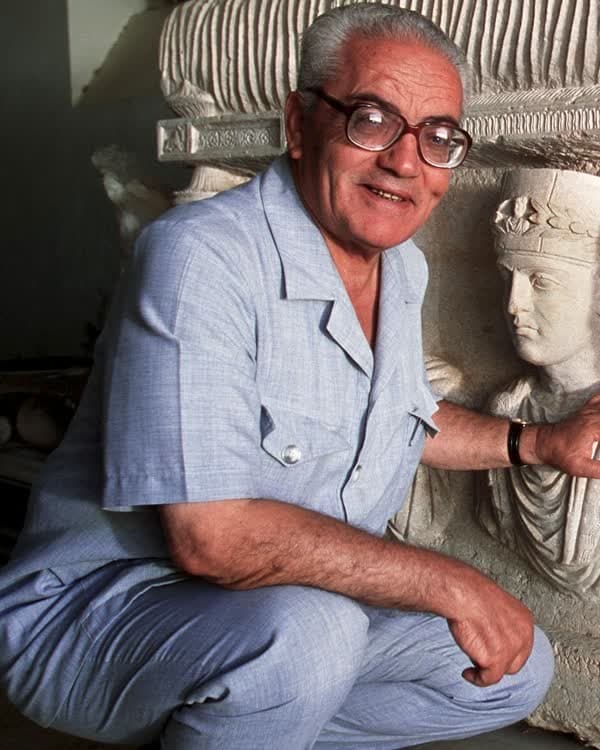
Before the Islamic State took Palmyra, al-Asaad helped move valuable relics to safety. He remained in the city despite warnings to leave and was reportedly killed after refusing to reveal where antiquities had been hidden.
What was at stake
Palmyra was both a UNESCO World Heritage site and a target for an armed movement that destroyed monuments and trafficked antiquities. Al-Asaad's knowledge made him a guardian of objects that could not be replaced.
What followed
He was murdered on August 18, 2015. His death was condemned internationally, and Gardens of the Righteous in several cities now honor him.
Why Pax Terra remembers them
He treated cultural memory as part of the human commons: something not owned by terror, regime, market, or century.
Context
Al-Asaad spent his career within Syria's state antiquities system. Pax Terra remembers the final choice through which he defended cultural heritage against destruction.